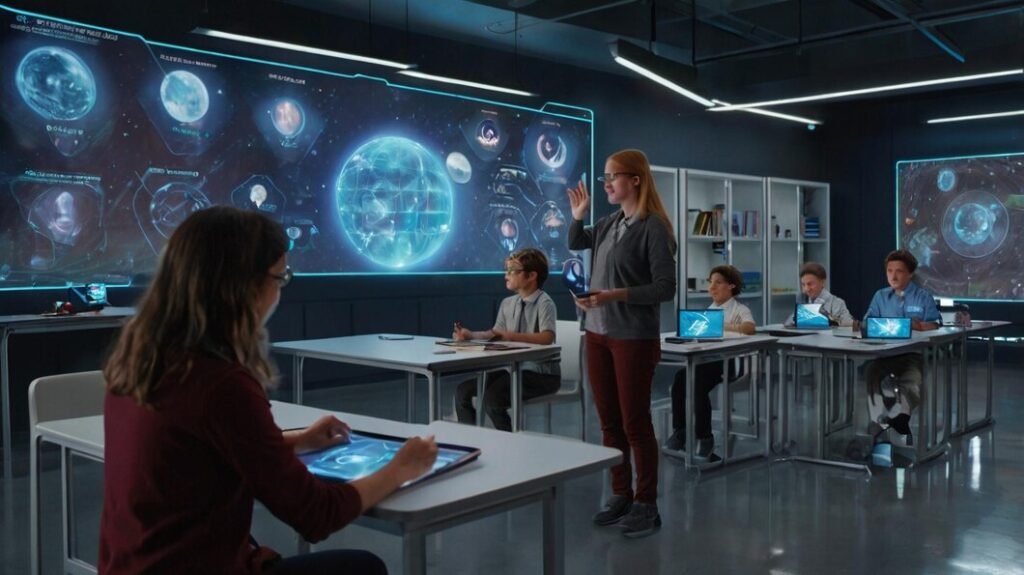
Modern luxury homes in Bangalore are no longer designed only around furniture, finishes and lighting. Homeowners increasingly expect technology to become part of the architecture itself — discreetly integrated, easy to operate and visually consistent with the interior.
For architects and interior designers, this creates an opportunity to make technology part of the design process from the beginning.
VYNET AUTOMATION PVT LTD works with architects, interior designers, consultants and homeowners to integrate home automation, lighting control, motorized curtains, security, audio-video and other smart technologies into residential spaces.
If you are working on a villa, luxury apartment, penthouse or premium residential project in Bangalore, planning automation during the design stage can help create a more seamless final experience.
Why Architects and Interior Designers Should Plan Automation Early
One of the biggest challenges with home automation is trying to add technology after the interiors are already completed.
Switch positions, electrical wiring, curtain pockets, sensor locations, network infrastructure, speakers and control panels can all affect the final design.
By discussing automation during the planning stage, architects and interior designers can coordinate:
- Electrical and automation requirements
- Smart switch and touch-panel locations
- Lighting control
- Motorized curtains and blinds
- HVAC and fan control
- Security devices
- Wi-Fi and networking
- Audio and video systems
- Home theatre requirements
- Sensors
- Access control
- Centralized control interfaces
This approach allows technology to support the design instead of becoming an afterthought.
Planning a new luxury residential project? Speak with VYNET AUTOMATION PVT LTD for automation planning and system integration.
Call: 080 4951 0449
WhatsApp: +91 96067 01264
Website: www.vynet.co.in | www.vynet.tech
Home Automation as Part of Interior Design
Home automation should not necessarily look like technology.
In a well-designed luxury home, the objective is often to keep the technology visually discreet while making the experience simple for the homeowner.
For example, a designer may create a sophisticated living room with carefully selected lighting, curtains and furniture. Automation can allow the homeowner to operate these elements together through a wall-mounted touch panel, mobile interface or programmed scene.
A single command can coordinate multiple functions.
For example:
Movie Scene
Lights dim → curtains close → AV system starts → projector or display activates.
Welcome Scene
Entrance lighting activates → selected areas illuminate → curtains operate according to the programmed setting.
Goodnight Scene
Selected lights switch off → curtains close → security functions activate → unnecessary devices can be turned off.
This is where smart home systems become an extension of the interior design rather than simply another electrical product.
Smart Lighting Automation for Luxury Homes
Lighting is one of the most important areas where architecture, interior design and automation come together.
Architects and interior designers can plan different lighting layers for:
- Living rooms
- Dining areas
- Bedrooms
- Corridors
- Staircases
- Kitchens
- Home offices
- Pooja rooms
- Outdoor spaces
- Facades
With smart lighting automation, homeowners can control individual lights, zones, dimming and predefined scenes.
Instead of creating multiple visible switches across a wall, carefully planned control points can provide a cleaner interface.
Lighting scenes can also support different activities such as entertaining, dining, relaxing, reading and watching movies.
Motorized Curtains and Blinds
Curtains are another area where automation can be integrated into the interior design from the beginning.
Architects and designers can plan the required curtain pockets, power points and motor locations before finishing work begins.
Motorized curtains and blinds can then be integrated with lighting and other automation systems.
For example:
Morning Scene: Curtains open automatically and selected lighting adjusts.
Evening Scene: Curtains close and selected interior lighting activates.
Movie Scene: Curtains close, lights dim and the AV system starts.
The result is a more coordinated interior experience without compromising the design.
KNX-Based Home Automation for Professional Projects
For projects where reliability, scalability and professional integration are important, architects and consultants may consider wired automation architectures such as KNX.
KNX can be used for applications including:
- Lighting control
- Dimming
- Curtain and blind control
- HVAC integration
- Fan control
- Sensors
- Scene control
- Building automation
- Centralized control
A properly planned system can allow different functions to work together while giving the designer flexibility in selecting suitable control interfaces and finishes.
For larger or more technically demanding projects, VYNET can assist with system planning, integration and installation.
Home Automation and Aesthetic Design
Technology should complement the interior rather than dominate it.
For this reason, control interfaces and devices need to be considered along with:
- Wall finishes
- Furniture placement
- Lighting design
- Door positions
- Curtain design
- Material palette
- Room functionality
- User requirements
Touch panels, switches, sensors and other devices should be positioned where they are practical while maintaining visual balance.
For architects and interior designers, this coordination can be especially important in premium projects where every visible detail contributes to the overall aesthetic.
Integrating Security Into the Interior Design
Modern residential security can also become part of the connected home.
A smart security ecosystem may include:
- CCTV
- Smart locks
- Video door phones
- Motion sensors
- Door and window sensors
- Glass-break sensors
- Gas sensors
- Water-leak sensors
- Panic buttons
- Mobile alerts
Instead of treating security as an independent system, it can be integrated with the broader smart home systems architecture.
This gives homeowners a more centralized way to monitor important events.
Home Automation + Home Theatre + AV
Luxury residential projects increasingly combine automation with dedicated entertainment spaces.
Architects and interior designers may need to coordinate:
- Speaker locations
- Acoustic treatment
- Projector positioning
- Screen dimensions
- Display locations
- AV racks
- Cable pathways
- Lighting scenes
- Motorized curtains
- Seating arrangements
- Control interfaces
A luxury home theatre in Bangalore therefore requires coordination between architecture, interiors, acoustics, electrical systems and AV integration.
VYNET can assist with the technology and integration requirements while the design team maintains control over the overall architectural and interior vision.
What Architects and Interior Designers Should Discuss Before Starting Automation
Before finalizing the electrical and interior drawings, it is useful to discuss:
- Which rooms require automation?
- Which lights need dimming or scene control?
- Are curtains or blinds motorized?
- What type of HVAC control is required?
- Where should touch panels or switches be positioned?
- Are sensors required?
- Is CCTV planned?
- Are smart locks required?
- Is a home theatre or distributed audio system required?
- What networking infrastructure is required?
- Does the client want mobile or voice control?
- What should happen automatically in different scenes?
- What should remain manually controllable?
- What provisions are required before the interiors are completed?
Answering these questions early can significantly improve coordination between the design and technology teams.
Why Work With a Professional Home Automation Integrator?
Home automation involves more than installing smart switches.
A professional integration process can involve:
Design → System Planning → Electrical Coordination → Product Selection → Programming → Installation → Testing → Handover → After-Sales Support
For architects and interior designers, working with an experienced integration partner can help reduce coordination issues during execution.
VYNET AUTOMATION PVT LTD provides expertise in home automation, smart lighting, motorized curtains and blinds, security, AV solutions, home theatre and integrated control systems for residential and commercial projects.
Home Automation for Architects and Interior Designers Across Bangalore
VYNET works with projects across Bangalore, including areas such as:
Indiranagar, Domlur, Koramangala, Jayanagar, Whitefield, Sarjapur, Electronic City, HSR Layout, CV Raman Nagar, Marathahalli, Bellandur, Bannerghatta, Hennur, Kalyan Nagar, Hebbal, Ramamurthy Nagar, Devanahalli, Yelahanka and surrounding areas.
Whether you are designing a new villa, apartment, penthouse or luxury residence, automation can be considered alongside the electrical, lighting and interior design requirements.
Looking for a Home Automation Partner for Your Next Project?
If you are an architect or interior designer in Bangalore working on a premium residential project, VYNET AUTOMATION PVT LTD can help with automation planning, technology selection, integration and installation.
Discuss your project requirements with our team and plan the technology before the interiors are finalized.
VYNET AUTOMATION PVT LTD
080 4951 0449
+91 96067 01264
www.vynet.co.in
www.vynet.tech
Home Automation for Architects and Interior Designers in Bangalore
Create interiors where technology is planned, integrated and experienced naturally.
Frequently Asked Questions
What is home automation for architects and interior designers?
Home automation for architects and interior designers involves planning smart technology alongside the architectural, electrical and interior requirements of a project. It can include lighting, curtains, HVAC, security, AV and centralized control.
When should home automation be planned?
Ideally, automation should be discussed during the design and electrical planning stage. Early coordination allows wiring, control locations, sensors, curtain motors and other requirements to be incorporated properly.
Can home automation be integrated into an existing home?
Yes. Depending on the project and existing electrical infrastructure, wired or wireless solutions can be considered.
What can architects integrate with home automation?
Architects can coordinate lighting, curtains, HVAC, security, audio-video, networking, sensors and centralized control as part of the overall project.
Does VYNET work with interior designers in Bangalore?
Yes. VYNET AUTOMATION PVT LTD works with architects, interior designers, consultants and homeowners on residential and commercial technology integration projects in Bangalore.
Can automation be customized according to the interior design?
Yes. Automation can be planned around the project’s functionality, aesthetic requirements, control preferences and technical specifications.