Hologram Zoo: Experience Wildlife Through Life-Size 3D Technology
Discover how holographic wildlife, immersive jungle environments, underwater adventures and prehistoric dinosaurs can transform education, entertainment and visitor attractions.
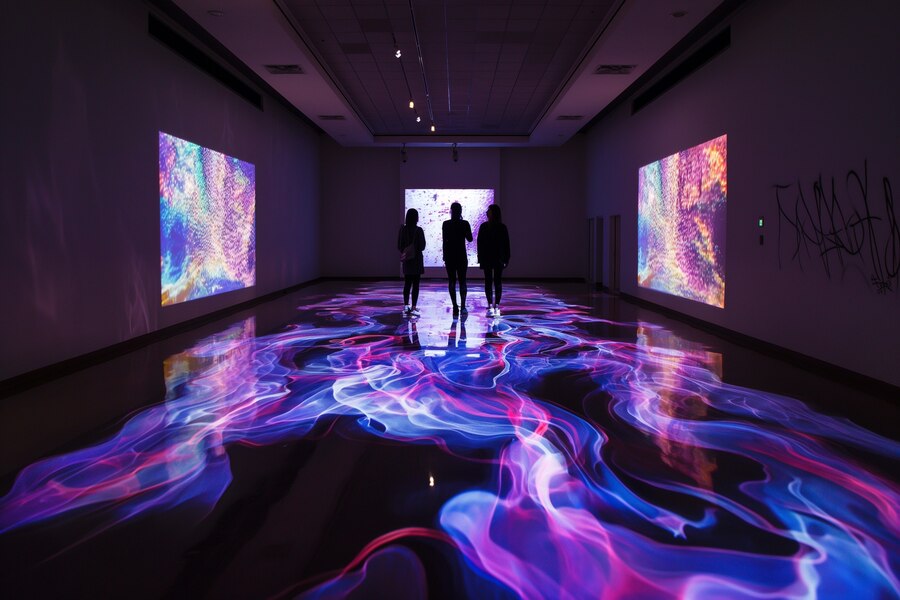
Discuss a Hologram Zoo ProjectImagine walking through a jungle where a life-sized elephant appears nearby, watching dolphins move through a digital ocean, or standing face-to-face with a dinosaur. A Hologram Zoo uses immersive display technology and digitally created wildlife to offer visitors a new way to explore the natural world.
Unlike a conventional wildlife exhibit, a digital wildlife attraction can present a wide range of animals and environments within a specially designed indoor space. Depending on the technology, visitors may experience large-scale 3D visuals, special glasses, projection effects, interactive content and spatial audio.
For schools, museums, shopping centres, tourism destinations and entertainment operators, a 3D Hologram Zoo can become an engaging destination that combines science, storytelling and immersive entertainment.
What Is a Hologram Zoo?
A Hologram Zoo is an immersive attraction designed to make digitally rendered animals appear lifelike and three-dimensional within a physical environment. Different installations use different display systems, so the experience may involve specialised projection, optical displays, 3D glasses, tracking technology or other visual techniques.
Visitors might walk through themed environments featuring African wildlife, tropical rainforests, Arctic animals, marine ecosystems and extinct species. Some installations also include interactive rooms where participants explore virtual underwater worlds or take part in educational activities.
What makes the experience special?
- Life-sized digital animals and immersive habitats.
- Jungle, ocean, safari and dinosaur environments.
- Educational storytelling about biodiversity and ecosystems.
- Potential for interactive experiences and group participation.
- Content that can be updated without bringing new live animals into the exhibit.
How Does Hologram Zoo Technology Work?
Creating an immersive wildlife attraction involves more than displaying an animal animation. Hardware, digital content, sound and environmental design work together to create the experience.
1. 3D Animal Modelling
Digital artists create or adapt three-dimensional animal models, textures, movements and environmental scenes. Content may include lions, elephants, whales, birds, dinosaurs and other species.
2. Holographic-Style Displays
Specialised display or projection systems present the digital content at an appropriate scale. The exact method determines the viewing experience and whether special glasses are required.
3. Immersive Audio
Animal calls, water sounds, forest ambience and directional audio can help visitors feel surrounded by the environment.
4. Interactive Technology
Depending on the installation, sensors, motion tracking, touch interfaces or compatible controllers can support visitor interaction.
Popular Hologram Zoo Experiences
African Safari Experience
Explore a digitally recreated savannah featuring elephants, giraffes, lions and other wildlife. Educational narration can explain animal behaviour, habitats and conservation.
Underwater Hologram Aquarium
Immerse visitors in a virtual marine environment featuring whales, dolphins, colourful reef fish, coral ecosystems and underwater discoveries. These displays can support marine education without requiring a physical aquarium for the digital animals.
Dinosaur Hologram Experience
Bring prehistoric environments to life through animated dinosaurs, reconstructed landscapes and educational storytelling about fossils, evolution and Earth’s history.
Rainforest and Endangered Wildlife
Showcase tropical forests, rare species and threatened habitats in a digital environment. Carefully developed content can help communicate biodiversity and conservation challenges.
Benefits of a 3D Hologram Zoo
Educational Engagement
Interactive 3D scenes can help students explore wildlife, ecosystems and scientific concepts in a memorable way.
Flexible Digital Content
Operators can plan new themes, seasonal shows and additional educational content, subject to the capabilities of their display and software systems.
Wildlife Awareness
Digital exhibits can introduce visitors to endangered species and fragile habitats without using live animals as part of the digital presentation.
Visitor Attractions
Immersive wildlife experiences can complement museums, educational centres, tourism destinations, family entertainment venues and commercial developments.
Where Can Hologram Zoo Installations Be Used?
- Schools and universities: Science learning, biodiversity education and STEM demonstrations.
- Museums and science centres: Interactive exhibitions and educational storytelling.
- Shopping malls: Family entertainment and seasonal immersive attractions.
- Tourism destinations: Indoor wildlife experiences and visitor engagement.
- Commercial experience centres: Immersive presentations and technology showcases.
- Theme parks: Digital safari, underwater and prehistoric attractions.
Planning a Hologram Zoo in India
Developing a hologram zoo requires a clear plan for the visitor journey, available floor area, audience capacity, display technology, content and operating requirements.
Before selecting a system, consider:
- Available space, ceiling height and room layout.
- Whether visitors walk through a tunnel, enter a room or view a large display.
- Expected daily visitors, group sizes and accessibility needs.
- Required 3D content, languages, narration and educational material.
- Lighting, acoustics, networking, control systems and maintenance.
- Installation costs, content licensing, operating expenses and future upgrades.
It is also important to distinguish true holographic techniques from stereoscopic 3D, projection-based visual effects and virtual reality. These technologies can create different experiences and should be selected according to the project objective.
Hologram Zoo Technology in Bangalore
Educational institutions, developers, museums and entertainment businesses exploring Hologram Zoo technology in Bangalore can consider immersive wildlife displays as part of a broader intelligent-space project.
VYNET AUTOMATION PVT LTD works across audiovisual integration, automation and intelligent spaces. Our team can discuss your project requirements and help explore suitable display, audio, control and integration options.
Learn more about our Hologram Zoo concept and immersive wildlife experiences or visit our Intelligent Spaces page.
Create an Immersive Wildlife Experience
Planning a 3D Hologram Zoo, digital aquarium, dinosaur attraction or immersive educational environment? Let’s discuss your vision, space and technical requirements.
Contact Us on WhatsApp Visit VYNETEmail: sales@vynet.co.in
Phone: 080 4951 0449
VYNET AUTOMATION PVT LTD | Solutions Beyond Limit
Frequently Asked Questions About Hologram Zoos
What is a 3D Hologram Zoo?
A 3D Hologram Zoo is an immersive wildlife attraction that presents digitally created animals and environments using specialised display or projection technologies.
Can a hologram zoo include dinosaurs and marine animals?
Yes. Depending on the content and display system, experiences can feature prehistoric creatures, ocean wildlife, rainforest species and other digital environments.
Is a hologram zoo the same as virtual reality?
No. Some hologram zoo systems use specialised displays and 3D glasses, while virtual reality typically uses a headset to present a computer-generated environment. The exact experience depends on the system.
Can hologram zoo technology be used for education?
Yes. Interactive wildlife displays can support lessons about ecosystems, biodiversity, animal behaviour, conservation and scientific concepts.
How much does a hologram zoo cost in India?
Costs vary with the installation size, display hardware, content production, interactive features, room design and integration requirements. A site-specific assessment is needed for a reliable quotation.
How can I plan a hologram zoo project in Bangalore?
Contact VYNET AUTOMATION PVT LTD at sales@vynet.co.in or 080 4951 0449 to discuss your concept, space and integration requirements.