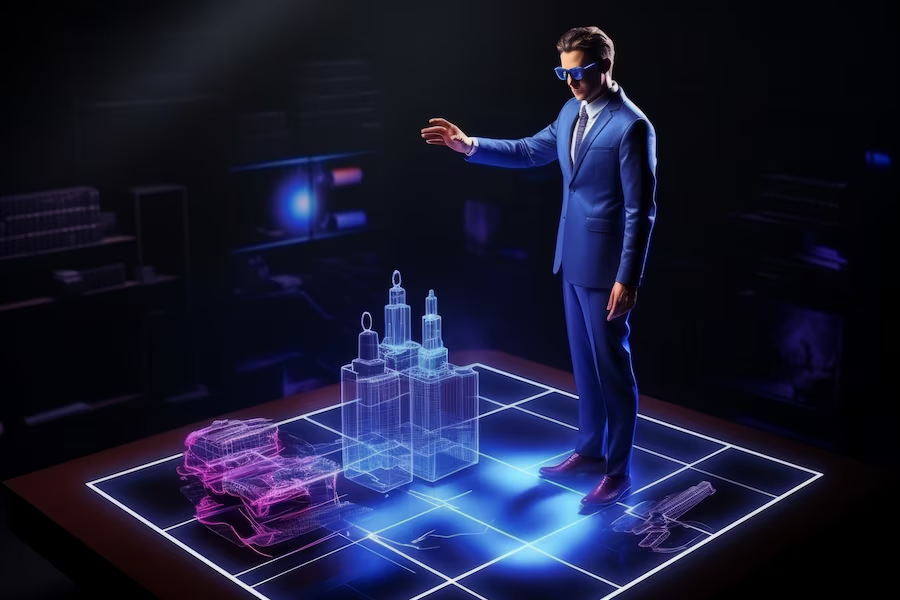
3D visualization has revolutionized the way we perceive and interact with data, designs, and concepts.
What is 3D Visualization ?
3D visualization, also known as 3D rendering, involves creating three-dimensional representations of objects or environments using specialized software.
Applications of 3D Visualization
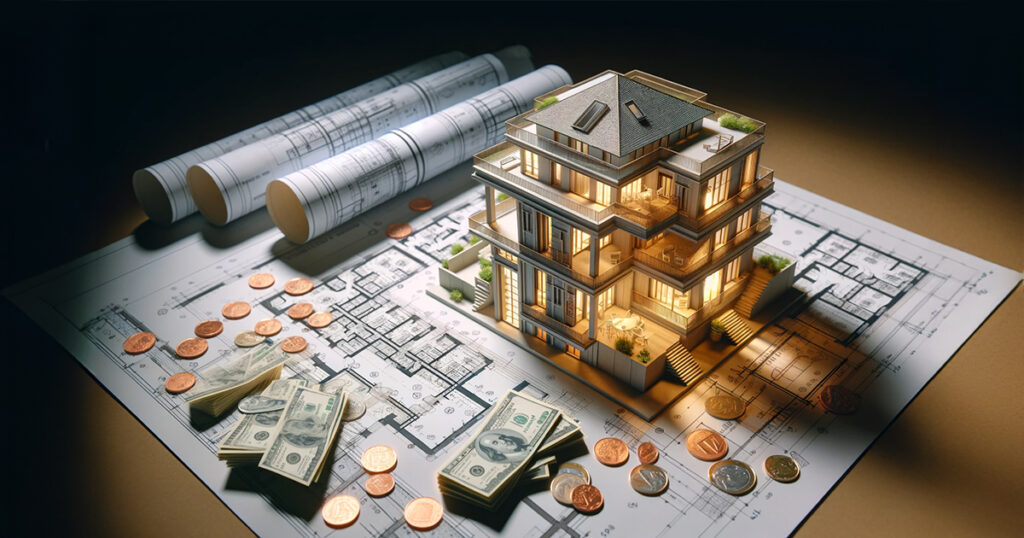
- Architecture and Interior Design: Architects use 3D visualization to showcase designs in detail, allowing clients to explore spaces virtually before construction begins.
- Healthcare: Medical professionals use 3D models for surgical planning, education, and patient communication.
- Gaming and Entertainment: Immersive 3D environments bring video games and movies to life.
- Education and Training: Interactive 3D models aid in learning complex subjects and simulating real-world scenarios.
- Product Development: Manufacturers use 3D rendering to prototype and refine products before production.
Benefits of 3D Visualization
- Improved Communication: Simplifies complex data, making it easier for stakeholders to understand.
- Cost-Efficient: Reduces the need for physical prototypes or mock-ups.
- Enhanced Creativity: Provides a platform for experimenting with designs and concepts.
- Immersive Experience: Offers realistic previews for better decision-making.
3D visualization is more than just a technological advancement—it’s a transformative tool that bridges the gap between imagination and reality.